By
By 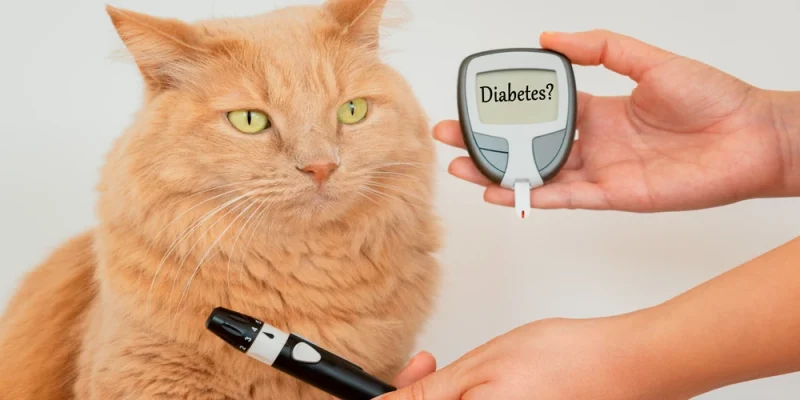
You may have noticed the changes before you had words for them. The water bowl emptied faster, the litter box needed more attention, your cat lost weight but kept eating, or maybe energy just seemed to drain away. When a vet says diabetes, the worry hits all at once. You start thinking about insulin, blood sugar checks, cost, routines, and whether your cat will still feel like your cat. That stress is real. Calgary cat wellness care can also play an important role in catching health changes early and supporting long-term diabetes management.
Feline diabetes is manageable, and many cats do well with steady care. A cat clinic helps by confirming the diagnosis, building a treatment plan, teaching you how to give insulin safely, watching for changes, and adjusting care when life does not go exactly as planned. Good support makes this feel less like a crisis and more like a routine you can handle.
Cat clinics turn a confusing diagnosis into a workable care plan
Diabetes in cats usually means the body is not using insulin well, or not making enough of it, so glucose builds up in the blood. That can lead to thirst, frequent urination, hunger, weight loss, weakness, poor coat quality, and in some cats, trouble walking normally in the back legs. Cornell’s overview of feline diabetes in cats explains these signs clearly and shows why early care matters.
The hard part for many owners is that the symptoms can sneak up slowly. You adapt without realizing it. You refill the water dish more often. You buy another bag of litter. You tell yourself your cat is just getting older. By the time you are sitting in an exam room, guilt can show up fast, even though you did not cause this.
A cat clinic starts by separating diabetes from other problems that can look similar, such as kidney disease, hyperthyroidism, or stress related changes in blood glucose. That usually means blood work, a urinalysis, a physical exam, and a close look at body weight and muscle condition. This step matters because treating the wrong problem wastes time and can put your cat at risk.
Once diabetes is confirmed, feline diabetes support becomes very practical. The clinic helps choose the right insulin, explains feeding schedules, and shows you how timing affects glucose control. They also watch for conditions that make regulation harder, including obesity, pancreatitis, dental disease, or steroid use. If your cat’s numbers stay unstable, the answer is often not “try harder.” It is “look closer.”
Daily diabetes care gets easier when a cat clinic teaches the routine
The fear often centers on insulin injections. Most people imagine a struggle twice a day with a frightened cat and a shaking hand. In reality, many cats tolerate injections very well once the routine becomes familiar. A cat clinic can demonstrate how to draw up the dose, where to give it, how to rotate sites, and what mistakes to avoid. That kind of hands on teaching lowers the risk of underdosing, overdosing, or skipping doses out of fear.
Food is another big piece. Some cats need a shift toward a high protein, low carbohydrate diet. Others need a plan that respects other health issues, especially in older cats. If your cat is picky, overweight, or already has digestive trouble, the feeding plan needs to be realistic. You do not need a perfect cat to manage diabetes. You need a plan that your cat will actually live with.
Monitoring is where clinic support keeps problems from growing. Follow up visits can include glucose curves, fructosamine testing, weight checks, and discussion of symptoms at home. Some clinics also teach home monitoring, which can reduce stress for cats that spike glucose levels during office visits. Research on diabetes care and monitoring in companion animals, including home based tracking, has shown clear value in improving day to day management, as discussed in this peer reviewed review on diabetes monitoring.
Professional cat clinic care reduces common risks
Trying to manage diabetes without close veterinary guidance can look cheaper at first, but mistakes cost more. A missed pattern in appetite, water intake, or weight can mean weeks of poor control. Too much insulin can cause dangerously low blood sugar. Too little can leave your cat feeling unwell and can lead to emergencies like diabetic ketoacidosis.
| Approach | What It Looks Like | Likely Benefits | Common Risks |
|---|---|---|---|
| Home care without clinic guidance | Owner adjusts food or insulin based on guesswork or online advice | Lower short term cost, fewer office visits | Wrong dose, delayed response to problems, missed related illness |
| Cat clinic guided treatment | Diagnosis, insulin plan, diet support, scheduled monitoring, dose changes based on data | Safer regulation, better symptom control, stronger chance of stability or remission in some cats | Ongoing appointment and medication costs |
| Home monitoring plus clinic oversight | Owner tracks glucose or symptoms at home and reports results to the clinic | Less stress for the cat, more useful day to day data, faster treatment adjustments | Requires training and consistent routine |
This is where diabetes care for cats becomes more than prescriptions. A good clinic helps you spot patterns early. If your cat stops eating, vomits, acts weak, or seems disoriented, you know whether to hold insulin, call right away, or come in. That guidance protects your cat and lowers your stress.
Three steps you can take right now
Track the basics every day. Write down water intake, appetite, insulin dose, meal times, litter box changes, energy level, and body weight if you can check it regularly. Small shifts matter. A simple notebook often catches trends before a crisis starts.
Ask your cat clinic for a written diabetes plan. You need clear instructions for insulin timing, feeding, what to do if your cat will not eat, and which symptoms count as urgent. Verbal instructions are easy to forget when you are overwhelmed.
Build a routine that fits real life. Choose dose times you can keep every day, store supplies in one place, and practice injections calmly. If your schedule is unpredictable, say that upfront. A better plan is one you can follow consistently.
Steady support helps cats with diabetes live well
Cat clinic support works because it combines medical care with practical coaching. Your cat needs the right diagnosis, the right insulin plan, the right food strategy, and regular follow up. You need clear answers, room to ask questions, and a routine that feels possible at home.
If your cat is showing signs of diabetes or has already been diagnosed, schedule a visit with a cat clinic and get a treatment plan that matches your cat’s needs. The first days can feel heavy, but this is manageable, and you do not have to figure it out alone.