By
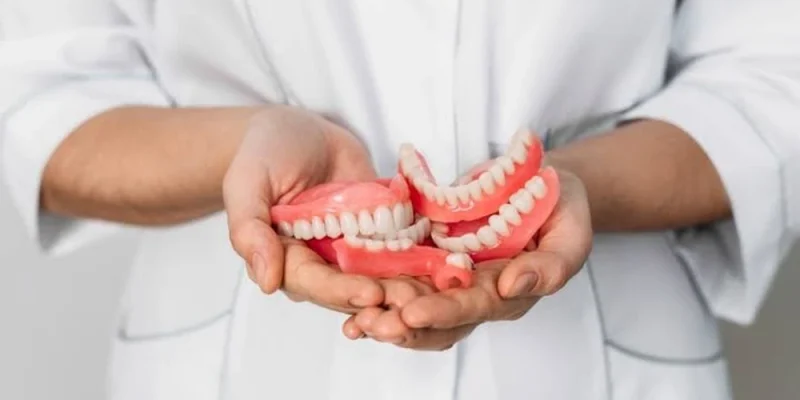
You may already be tracking blood sugar, reading food labels, packing supplies, and watching for changes that seem small until they are not. Adding gum health to that list can feel like one more thing your child should not have to deal with, which is why Rialto pediatric dental care can be an important part of their routine. The hard part is that diabetes does affect the mouth, and sore, swollen, or bleeding gums can become a bigger problem when blood sugar runs high.end
That is where a pediatric dentist helps in a very practical way. A child with diabetes needs more than routine cleanings. They need someone who understands how blood sugar changes healing, how dry mouth raises cavity and gum risk, and how to catch early signs before they turn into pain, infection, or expensive treatment. How pediatric dentists help children with diabetes maintain healthy gums comes down to prevention, close monitoring, and home care that actually fits family life.
Diabetes raises the risk of gum problems in children
When diabetes is not well controlled, the mouth often shows it. Higher blood sugar can make it easier for plaque to build up and harder for the body to fight bacteria. Gums may look red, feel tender, bleed during brushing, or pull away from the teeth. Some children also deal with dry mouth, which lowers the natural protection saliva gives against irritation and infection.
The connection goes both ways. Gum inflammation can make blood sugar harder to manage, which creates a cycle that is frustrating for parents and uncomfortable for kids. The CDC explains the link between diabetes and oral health clearly, and it is one many families do not hear enough about until symptoms start.
You might notice your child brushing less because their gums hurt, or avoiding crunchy foods because chewing feels sore. Sometimes there is no obvious complaint at all. A child can have early gum disease with only mild bleeding at the sink, and that is easy to dismiss when you are juggling insulin, school, sports, and sleep.
Pediatric dentists spot early changes before they become bigger issues
A pediatric dentist is trained to read the small signs in a child’s mouth. That matters because children do not always explain what they feel, and gum disease does not always look dramatic at first. During visits, the dentist checks for plaque buildup, inflamed gums, dry mouth, mouth sores, and changes in tissue that may point to poor glucose control or irritation.
This is one reason gum care for children with diabetes should not be treated like standard dental care with a few extra reminders to floss. The dentist may suggest more frequent cleanings, fluoride support, or home care changes based on your child’s age, habits, and diabetes management. If your child wears braces, the need for close follow up becomes even more real because brackets create more places for plaque to sit against the gums.
The National Institute of Dental and Craniofacial Research outlines how diabetes can affect the mouth and healing in ways that deserve early attention. You can review that guidance here: diabetes and oral health from NIDCR.
Pediatric dental care supports daily diabetes management
Families often think of the dentist as the person who fixes cavities. For a child with diabetes, the role is broader. A pediatric dentist helps build routines that reduce inflammation and lower the chance of infection. That can mean teaching a younger child how to angle the toothbrush along the gumline, helping a teen choose tools they will actually use, or showing parents what bleeding gums look like when they need more than a better brushing effort.
Timing also matters. If your child comes in with high blood sugar often, slow healing after a loose tooth, or recurring mouth irritation, the dental team can flag concerns and encourage follow up with the child’s physician. This does not replace medical care. It adds another layer of observation, which is useful because the mouth often reflects what is happening elsewhere in the body.
The CDC also offers clinical guidance on how to promote oral health for people with diabetes, and the themes are consistent with what pediatric dentists see every day: control plaque, manage dry mouth, treat inflammation early, and keep care consistent.
Home care alone and pediatric dental care do not offer the same protection
Good brushing at home matters, but it cannot replace trained eyes, professional cleaning, and a plan built around diabetes. The difference becomes clear when you compare what each approach can and cannot do.
| Approach | What It Helps With | What It Can Miss |
|---|---|---|
| Home brushing and flossing | Removes daily plaque, lowers gum irritation, builds routine | Early gum disease, dry mouth patterns, hidden plaque near the gumline |
| Over the counter mouth rinses | Freshens breath, may reduce some bacteria | Underlying inflammation, technique problems, healing concerns tied to diabetes |
| Regular pediatric dental visits | Professional cleaning, early detection, tailored prevention plan | Cannot help much if home care stays inconsistent between visits |
| Coordinated dental and medical follow up | Supports whole child health, connects mouth symptoms with blood sugar patterns | Requires communication and steady follow through |
That is why pediatric dentists and diabetes gum health belong in the same conversation. If a child’s gums bleed for weeks, the answer is rarely just “brush better.” The answer is usually a mix of technique, cleaning, hydration, blood sugar awareness, and checkups often enough to catch changes early.
Small, consistent steps protect your child’s gums
Schedule dental visits on a predictable rhythm. Children with diabetes often do better when appointments are not left to chance. Ask the dental office how often your child should be seen based on gum health, cavity risk, and diabetes control. Some children need more frequent cleanings than the standard schedule.
Watch for gum changes that last more than a few days. Bleeding during brushing, bad breath that does not improve, dry mouth, mouth sores, and swollen gums all deserve attention. Keep it simple. If you notice a pattern, write it down and bring it to the appointment.
Make home care easier, not stricter. A softer toothbrush, flavored floss picks, a reminder chart, or brushing together at night can work better than repeated lectures. Children stick with routines that feel manageable. That is what protects gums over time.
Steady dental care gives children with diabetes a better chance at healthy gums
Your child does not need perfect days to have a healthy mouth. They need support, regular monitoring, and care that respects how diabetes affects the gums. When a pediatric dentist tracks those changes early, treats inflammation fast, and helps you build realistic habits at home, your child has a better chance of staying comfortable and avoiding bigger dental problems later.
If your child has diabetes and you have noticed bleeding gums, dry mouth, or more sensitivity during brushing, schedule a visit with a pediatric dentist and ask for a prevention plan built around their needs.