 By
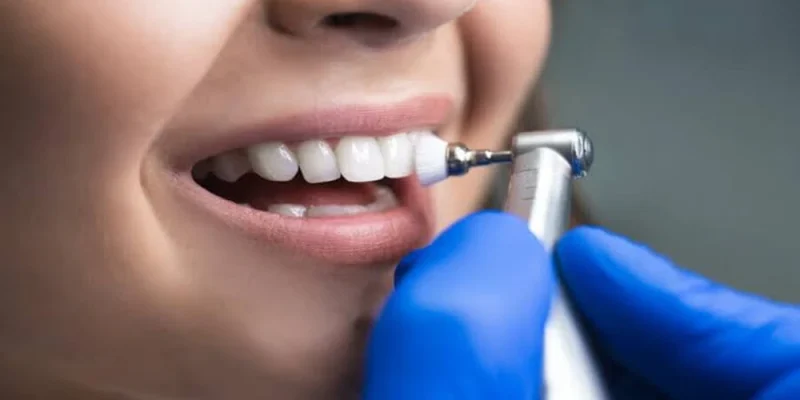
It usually starts with one person noticing a change in the mirror, then someone else in the house points to a similar mark on their teeth, and suddenly it feels less like a small cosmetic issue and more like a family wide problem. That can be unsettling. When several relatives develop stains that look alike, most people do not just worry about appearance. They worry about what all those stains might say about their water, their habits, their health, or something they passed down to their children, which is why many turn to family dentistry in Hattiesburg, MS.
A family dentist will usually look beyond the color itself and try to find the pattern. Similar stains across multiple family members often point to a shared cause, such as drinking water, oral care products, diet, medications, or a common routine at home. In some cases, the issue may be harmless surface staining. In others, it may suggest enamel changes, fluorosis, or decay that needs treatment.
Shared stains often point to a shared cause
When a dentist sees similar spots, bands, or discoloration in several people from one household, the first question is often about timing. Did the stains appear recently, or have they been there since the teeth came in? That detail matters because stains that form on the surface after teeth erupt are different from marks that develop while teeth are still forming.
One common question is about your drinking water source. Families who use well water or have changed water systems may be getting different mineral exposure than they realize. Dentists may ask whether anyone has tested the water, whether the home uses a filtration system, and whether children drank the same water during early tooth development. The CDC fluoridation FAQ explains how community water fluoridation works and why the amount of fluoride matters.
Another question is about toothpaste, supplements, and mouth rinses. Young children sometimes swallow more toothpaste than adults expect, especially if they use too much or use adult strength products before they can spit well. If more than one child in the family has faint white streaks or cloudy patches, a dentist may consider whether fluoride intake added up from several sources. The CDC page on dental fluorosis describes how this can happen while teeth are developing.
Diet comes up quickly too. Coffee, tea, red sauce, sports drinks, dark berries, and tobacco can create similar external stains in adults who share the same routines. Children may not drink coffee, but they may have repeated exposure to juice, colored drinks, iron supplements, or poor brushing habits. A dentist is not asking to judge your household. They are trying to separate surface staining from enamel defects and decay.
Medical history can explain family tooth discoloration
Dentists also ask about medications and illness history, especially during pregnancy and early childhood. Some antibiotics and high fever illnesses can affect tooth development. If siblings have matching discoloration patterns, the issue may trace back to a similar exposure at the same stage of growth. That does not mean something was done wrong. It means the teeth are giving clues about when the change happened.
They may also ask whether the stains can be brushed off, whether they feel rough, and whether there is pain or sensitivity. Brown, black, yellow, or white marks can mean different things. According to MedlinePlus information on tooth discoloration, causes range from foods and tobacco to injury, medicines, and disease. When several people in one family have the same pattern, the shared history often matters more than the color name.
This is where anxiety tends to rise. If everyone has similar stains, it is easy to assume the worst. You may wonder if your water harmed your kids, if expensive treatment is ahead, or if the issue will keep getting worse. The answer depends on the cause. Surface stains may respond well to cleaning and home care changes. Developmental changes in enamel may need whitening, bonding, microabrasion, or simple monitoring.
A family dental exam helps separate harmless stains from bigger concerns
A dentist questions about family tooth stains appointment often includes photos, a review of when each person’s stains appeared, and a close look at where the discoloration sits on the teeth. Stains near the gumline may suggest plaque buildup or chromogenic bacteria. Even, symmetrical white patches across several front teeth may suggest fluorosis. Random dark spots with softness or sensitivity may raise concern for decay.
If one parent and two children all have similar marks, but they differ by tooth type and age, the dentist may split the issue into more than one cause. That is normal. Shared appearance does not always mean one single diagnosis. A skilled family dentist stain evaluation looks at the household pattern and each person as an individual.
| Possible Cause | What Dentists Often See | Who It May Affect in a Household | Common Next Step |
|---|---|---|---|
| Surface staining from food or drinks | Brown or yellow buildup, often on outer surfaces | Adults with similar diet habits, sometimes older children | Professional cleaning and habit review |
| Fluorosis during tooth development | White streaks, cloudy patches, sometimes light brown areas | Children or siblings who had similar fluoride exposure | Review fluoride sources and discuss cosmetic options if needed |
| Poor brushing or plaque buildup | Staining near gums, rough texture | Multiple family members sharing similar home care habits | Cleaning, home care coaching, follow up |
| Medication or childhood illness effects | Bands or internal discoloration that do not brush away | Siblings with similar early life exposures | Medical history review and restorative planning if desired |
Simple steps help you prepare for a dental visit
Track the pattern. Make a short note of who has stains, when you first noticed them, and whether they changed. Include whether the marks are white, yellow, brown, or black, and whether they seem to brush off.
List shared exposures. Write down your water source, toothpaste brand, fluoride supplements, mouth rinses, and the drinks most often consumed at home. If children use toothpaste, note how much they use and whether they swallow it.
Bring the full picture to your appointment. Mention medications, iron drops, illnesses with high fever, and any recent move or water system change. That context helps a family dentist narrow the cause faster and avoid guesswork.
Answers usually come from patterns, not panic
When several family members develop similar stains, the most useful thing you can do is stop blaming yourself and start gathering details. Teeth often reflect shared routines, and those clues help a dentist find the cause. Some stains are cosmetic. Some point to preventable issues. Either way, a clear exam can tell you what is happening and what can be improved at home or treated in the office.
If your household is dealing with matching discoloration, schedule a visit with a family dentist and bring your questions with you. Clear answers usually start with those first six questions, and they often lead to a simpler solution than you feared.




Comments