By
By 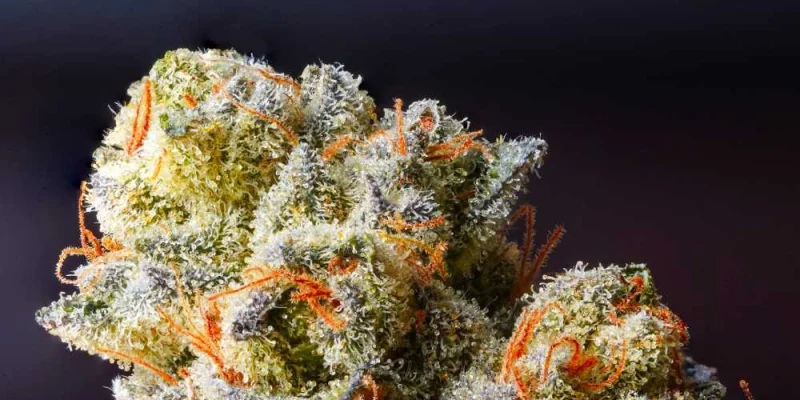
Indica and sativa THCA flower strains differ in cannabinoid profile, physical growth structure, effect onset character, and terpene composition in ways that influence buyer selection across different usage contexts and preferences throughout the hemp flower market. These differences originate in distinct genetic lineages producing measurable variations in plant morphology, cannabinoid output, and aromatic compounds that persist through cultivation, harvest, and curing into the finished product available for purchase. These differences allow buyers to select strains aligned with specific requirements rather than relying on general cultivar classifications that vary in accuracy across suppliers and markets throughout the hemp distribution network. Buyers looking to order best THCA flower options can compare these characteristics alongside available product information to identify strains that match their preferences.
Cannabinoid profile variance
Indica-dominant cultivars frequently carry higher myrcene concentrations alongside their THCA content, producing heavier aromatic profiles and distinct onset character compared to sativa-dominant options available through the same or different suppliers in the market. Sativa-dominant cultivars often present more varied terpene distributions with limonene or pinene as dominant compounds, confirmed through laboratory terpene panels specific to each production batch submitted for independent analysis at the testing facility. These measurable differences in cannabinoid and terpene composition provide buyers with documented evidence for strain selection that cultivar names or category labels alone cannot supply with equivalent reliability at the point of purchase from any supplier.
Growth structure differences
- Indica plants produce shorter, broader growth patterns with denser bud formation concentrated along compact branch structures throughout the canopy during the active flowering phase of the production cycle.
- Sativa plants grow taller with elongated internodal spacing, distributing bud development across a wider canopy, covering more vertical and horizontal surface area per plant at full flowering maturity.
- Indica buds present greater density per unit volume due to compact calyx formation, concentrating cannabinoid-producing trichomes within a smaller surface area on the finished flower at harvest.
- Sativa buds appear less dense visually while retaining comparable trichome coverage distributed across a larger surface area per gram of finished flower, weighed at the point of harvest and post-harvest grading.
Effect onset comparison
- Indica-dominant – onset character is typically heavier and more pronounced, correlating with higher myrcene concentrations documented in laboratory terpene panels for that specific batch submitted by the producer
- Sativa-dominant – onset character is typically lighter and more active, correlating with limonene or pinene dominance measured in terpene panel results from accredited laboratory testing on the specific production batch
- Hybrid classifications – combine characteristics from both lineages, with cannabinoid and terpene panel data providing the most accurate predictor of onset character for any specific batch available from the supplier
Buyer strain selection
Buyers who decide to order the best thca flower from either classification should base strain selection on laboratory terpene and cannabinoid data rather than indica or sativa labels assigned at the point of sale by any supplier. Classification accuracy varies considerably across producers and markets, making batch-specific panel results a more reliable guide to the actual experiential profile than the cultivar category printed on the product label or supplier listing for any available option in the current market. Verifying terpene and cannabinoid figures against the certificate of analysis for each batch under consideration gives buyers a documented basis for selection that withstands repeated evaluation across different purchase cycles.
Buyers who apply batch-specific cannabinoid and terpene panel data to strain selection make purchasing decisions supported by independently verified evidence rather than cultivar classification alone.