By
By 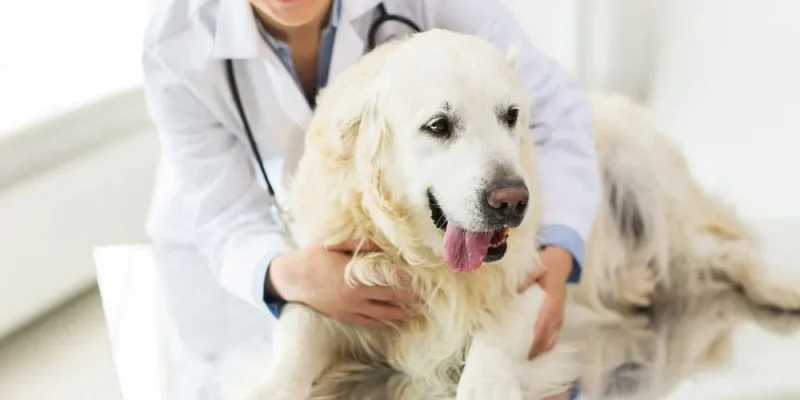
Understanding how veterinarians diagnose and treat common pet illnesses can be crucial for pet owners. Pets rely on you for their health and well-being. Recognizing signs early and seeking help keeps them comfortable and happy. In Roanoke, VA veterinary professionals have honed their skills to identify and treat various conditions. Your pet’s journey to recovery begins with a simple check-up. During this, vets assess symptoms and determine the best course of action. They use tools like blood tests and X-rays to pinpoint issues. After diagnosis, treatment often follows. This may involve medication, simple surgery, or lifestyle advice. Each step ensures your pet’s swift return to health. You gain peace of mind knowing that dedicated experts care for your beloved companion. Understanding this process empowers you. It helps you anticipate what to expect and how to respond when your pet feels under the weather.
The Diagnostic Process
Veterinarians start by gathering a thorough history of your pet’s health. This includes recent behavior changes, eating habits, and any symptoms you’ve noticed. They perform a physical examination to look for visible signs of illness such as lumps, rashes, or unusual behaviors.
Next, they may recommend diagnostic tests. Blood tests can reveal infections, anemia, or other systemic issues. X-rays and ultrasounds help visualize internal organs, detect tumors, or identify fractures. Vets often use these tools to provide a clearer picture of your pet’s health.
In some cases, advanced imaging like MRIs or CT scans might be necessary. These methods provide detailed views of certain body parts, aiding in more complex diagnoses. The choice of diagnostic tool depends on the suspected illness and its severity.
Common Pet Illnesses and Treatments
Pets suffer from a variety of illnesses. Some of the most common include ear infections, skin allergies, and dental disease. Each requires a unique approach for both diagnosis and treatment.
| Illness | Diagnostic Tools | Treatment |
|---|---|---|
| Ear Infections | Ear swabs, Otoscope | Cleaning, Antibiotics |
| Skin Allergies | Skin scrapings, Allergy tests | Antihistamines, Special diet |
| Dental Disease | Dental X-rays, Oral exam | Teeth cleaning, Tooth extraction |
Preventive Care
Preventive care plays a critical role in reducing the risk of these illnesses. Regular check-ups help catch problems early. Vaccinations protect against contagious diseases. Consistent dental care prevents gum disease and tooth loss. A balanced diet supports overall health and reduces the risk of obesity and diabetes.
Exercise is another important component. It not only keeps pets active and healthy but also prevents behavior issues stemming from boredom.
Why Early Intervention Matters
Early intervention can be the difference between a quick recovery and a prolonged illness. Recognizing symptoms like lethargy, changes in appetite, or unusual behavior can prompt timely veterinary visits. This ensures your pet receives the necessary treatment at the earliest possible time.
Trusting Your Veterinarian
Building a relationship with your veterinarian fosters trust and understanding. You can rely on their expertise and experience to guide you in making informed decisions about your pet’s health. Routine visits, open communication, and adherence to their recommendations create a partnership focused on your pet’s well-being.
For detailed information on common pet illnesses, you can visit the American Veterinary Medical Association website. This resource offers insights into various conditions and preventive measures.
Conclusion
Your commitment to understanding how veterinarians diagnose and treat pet illnesses significantly impacts your pet’s health. A proactive approach ensures they live a healthier, happier life. Regular check-ups, preventive care, and prompt treatment are essential. By recognizing the signs and seeking advice from veterinary professionals, you provide the best care for your pet. Keep yourself informed and build a trusting relationship with your veterinary team. You and your pet will both benefit from this partnership.