By
By 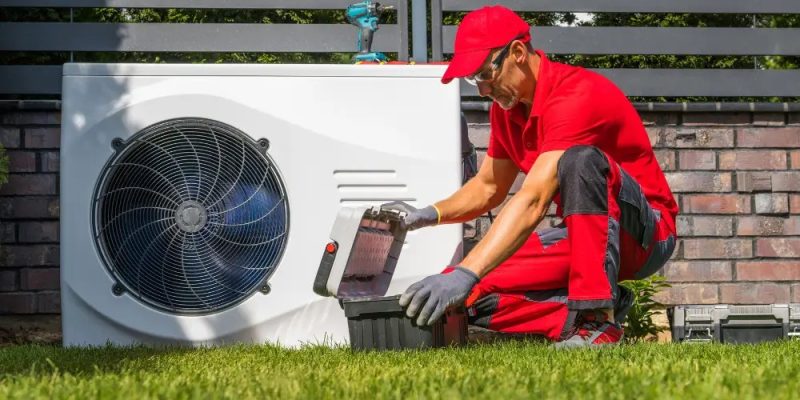
Choosing the right heating system for your home isn’t always straightforward. With multiple options available, many homeowners find themselves deciding between a heat pump and a furnace. Both systems can effectively heat your home, but they work in very different ways and come with their own advantages.
The right choice depends on factors like climate, energy efficiency, upfront cost, and long-term savings. Let’s break it down so you can make a confident decision based on your home’s needs.
1. How Heat Pumps and Furnaces Work
Before comparing the two, it helps to understand how each system operates.
A furnace generates heat by burning fuel such as natural gas, propane, or using electricity. It then distributes warm air through your home using ductwork.
A heat pump works differently. Instead of generating heat, it transfers heat from the outside air into your home. Even in cooler temperatures, there’s still heat energy available outdoors that the system can use.
For homeowners considering heat pump installation in Warner Robins, GA, this technology offers both heating and cooling in one system, making it a versatile option for year-round comfort.
2. Energy Efficiency and Operating Costs
One of the biggest differences between heat pumps and furnaces comes down to efficiency.
Heat pumps are generally more energy-efficient because they move heat rather than generate it. This process requires less energy, especially in mild to moderate climates.
Furnaces, on the other hand, can be highly efficient as well, especially modern high-efficiency models. However, they still rely on fuel combustion, which typically results in higher operating costs over time.
If reducing energy bills is a priority, a heat pump often has the advantage. Over the long run, the savings can offset the initial installation cost.
3. Performance in Different Climates
Climate plays a major role in deciding which system works best.
Heat pumps perform exceptionally well in regions with mild winters. They can efficiently heat homes without the need for additional support in most conditions.
Furnaces are better suited for areas with extremely cold temperatures. When outdoor temperatures drop significantly, heat pumps can lose efficiency and may require a backup heating source.
That said, advancements in heat pump technology have improved performance in colder climates, making them a viable option in more regions than before.
4. Installation Costs and Upfront Investment
When it comes to installation, costs can vary depending on your home and existing setup.
Furnaces are often less expensive upfront, especially if your home already has ductwork and gas lines in place. Installation tends to be straightforward in these cases.
Heat pumps may have a higher initial cost, particularly if additional modifications are needed. However, since they provide both heating and cooling, they can eliminate the need for a separate air conditioning system.
Many homeowners view this as a long-term investment rather than just an upfront expense.
5. Maintenance and Lifespan
Both systems require regular maintenance to perform efficiently, but there are some differences to consider.
Heat pumps run year-round, handling both heating and cooling. Because of this, they may experience more wear and tear and typically have a lifespan of around 10-15 years.
Furnaces are used primarily during colder months, which can extend their lifespan to 15-20 years with proper care.
Routine maintenance such as filter changes, system inspections, and timely repairs helps extend the life of either system and keeps performance consistent.
6. Comfort and Air Quality
Comfort isn’t just about temperature. It also includes how evenly your home is heated and the quality of the air you breathe.
Heat pumps provide steady, consistent warmth without the intense bursts of heat that furnaces produce. This can create a more balanced indoor environment.
Furnaces, while powerful, can sometimes cause temperature fluctuations as they cycle on and off. However, they are effective at quickly heating a space when temperatures drop.
When it comes to air quality, both systems benefit from proper filtration and maintenance. Clean filters and well-maintained ducts make a noticeable difference in indoor comfort.
7. Which Option Is Right for You?
The choice between a heat pump and a furnace ultimately depends on your priorities.
A heat pump may be the better option if you:
- Live in a mild to moderate climate
- Want an energy-efficient system
- Prefer an all-in-one heating and cooling solution
A furnace might be the right choice if you:
- Experience very cold winters
- Already have gas infrastructure in place
- Need strong, rapid heating performance
For many homeowners exploring heat pump installation in Warner Robins, GA, the decision often comes down to long-term energy savings and versatility.
Conclusion
Both heat pumps and furnaces have their place in home heating. There’s no one-size-fits-all answer, only the solution that best fits your home, climate, and budget.
Here’s the thing: the smartest decision isn’t just about upfront cost. It’s about long-term comfort, efficiency, and reliability. By understanding how each system works and what it offers, you can choose a heating solution that keeps your home comfortable for years to come.
Looking to upgrade your home’s heating and cooling system? A heat pump might be the solution you need. Learn why heat pump installation in Sandersville, GA, can benefit your home with improved energy efficiency, year-round comfort, and lower utility costs. Read on to discover why more homeowners are choosing heat pumps for their homes.