By
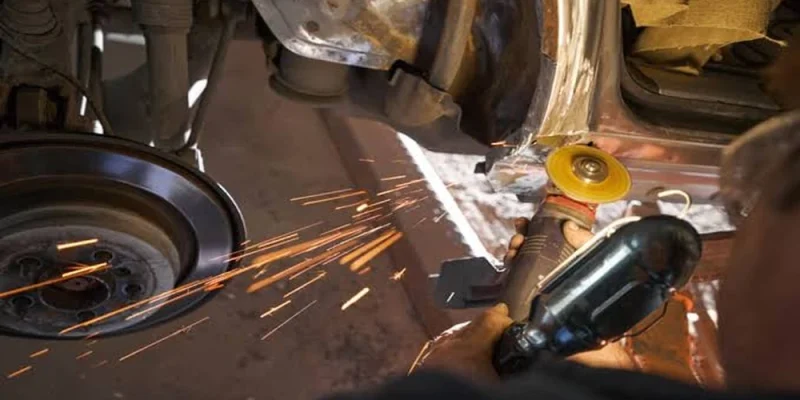
Ten days. That’s the average stretch your car disappears into a body shop after a real collision, and most drivers spend nine of those days with zero idea what’s happening behind the roll-up door. Your phone buzzes once with a vague update, you squint at the text, and you’re no closer to knowing whether someone is actually working on your fender or whether your car is parked in a corner waiting on a bracket from Flint.
That information gap is where the anxiety lives. So here’s the full sequence, step by step, with the parts most shops never bother to explain.
Marv’s Body Shop in Sioux Falls walks customers through the collision repair process as a ten-stage job, and that structure is close to what most reputable shops follow, give or take a step. Learn it once and you’ll stop feeling like a passenger in your own repair.
Why the first estimate is never the final bill
You roll in for a free estimate, a technician walks the car with a clipboard and a tablet, and you get a number. That number is an educated guess under duress. Until your bumper comes off, nobody can see the crushed absorber behind it or the cracked bracket tucked under the headlight housing.
This surprises people, and it shouldn’t. Body panels hide damage the same way drywall hides a slow leak. The shop that hands you a rock-solid final figure before the car is opened up is either guessing or padding. Ask instead: what’s covered in this estimate, and what typically changes during teardown?
During that first visit, the inspector is documenting everything, mileage, paint codes, existing scratches, so nobody argues later about who put the dent in your door. Good shops take photos at every stage for the same reason.
The insurance approval step most drivers misread
Once your estimate is finished, it goes to your insurance company. They review the line items, question a charge or two, and sometimes negotiate which procedures are actually necessary. Here’s the part that catches drivers: the insurer, not the shop, decides whether your car gets fixed or totaled.
The shop writes the repair plan. The insurer approves the money. Those are two different jobs, and when they disagree you’re the one in the middle of the phone call.
Disassembly: where the real damage shows up
The car gets taken apart. Technicians pull panels, remove trim, and map the actual damage underneath. This is the day your estimate changes, and it’s usually for a good reason. Hidden damage gets photographed, documented, and submitted as a supplement to the insurer.
You should expect this supplement. You should not expect a shop to just eat it or to hide it from you. Ask if supplements will be sent to your email as they happen. Most shops will say yes.
Parts ordering and the waiting game
Your car sits parked while parts ship. Many arrive in a couple of days. Structural components can take much longer, and a shop can’t begin structural work until every piece is on the shelf. This is the quiet stretch where your vehicle looks abandoned. It isn’t. It’s waiting on logistics.
Ask one question here: are any parts backordered, and what’s the estimated arrival? You’ll get a real answer or an honest shrug. Either beats silence.
Straightening the frame, then rebuilding the body
Structural repair comes before cosmetic work, and it’s the step that matters most for how the car drives and protects you in the next crash. Technicians chain the vehicle to a computerized measuring system and pull the unitized body back to factory specifications, watching numbers on a screen the whole time rather than eyeballing panel gaps.
The federal agency that tracks vehicle crash outcomes, the National Highway Traffic Safety Administration, builds its whole safety mission around how a vehicle’s structure performs on impact. A frame that’s off by a few millimeters can undermine that protection in a way you’d never notice parking at Target. Push past any shop that shrugs off frame measurement. That’s the one line I’d draw without hesitation.
Once the skeleton is true, exterior panels go on, sheet metal gets aligned, and the car starts to look like itself again.
Paint is a chemistry project, not a spray can
Everyone wants to know about paint, and everyone underestimates it. Prep work happens first: panels sanded, cleaned, primed, sealed. That sealer layer is what makes topcoat and clear coat hold up through a decade of South Dakota winters and gravel kicked up on I-29.
Then color gets matched to your factory code, sprayed, and cleared. A skilled painter blends the new panel into the adjacent ones so you can’t spot the repair in daylight.
- Ask how many coats of clear are going on
- Ask whether they blend adjacent panels or only paint the damaged one
- Ask what their warranty covers if the finish fails
Reassembly follows paint. Moldings and trim go back on, and all the vehicle’s systems get checked before anything moves toward the door. Then detailing, because a car that’s been in a shop for a week carries dust in every seam, and nobody wants to hand back a clean repair on a filthy car.
Your three-minute handoff script
Here’s a small habit that changes the whole experience: treat the repair like a project with a point of contact. You wouldn’t hand a contractor your kitchen and never check in.
The night before you drop the car off: empty your glovebox of anything you need, snap photos of the damage from four angles, and write down your claim number where you can find it. Grab the adjuster’s direct line too.
At drop-off: ask who your contact is, ask how often you’ll get updates, and ask what usually slows this specific repair down. The answers tell you almost everything about how the next two weeks will go.
At pickup: walk the whole car in daylight before you sign. Check panel gaps with a finger, look down the side of the car for color mismatch, open and close every door the repair touched. Ten minutes of daylight beats two weeks of regret.
What to do with all of this
The shop you’re dealing with is either going to explain supplements, frame measurement, and paint blending without being asked, or they’re going to hand you a phone number and hope you don’t call. That’s the whole difference.
Sit with the timeline honestly, too. Two weeks without your car is annoying but normal. A shop promising three days on a structural hit is telling you something about how they work.
So here’s the question worth asking on your next phone call: can you walk me through what happens after my car comes apart? If the person on the other end can’t answer that in plain language, keep calling. Your car is the second most expensive thing you own, and you’re allowed to expect a real explanation.