By

It usually happens fast. A gate was left open, a walk took a turn, two dogs or cats were unsupervised for a few minutes, and now you are replaying the moment in your head. You may feel embarrassed, worried about a possible pregnancy, or unsure whether this is an emergency. That reaction is common, and it is exactly why an animal hospital in Cranbrook, BC sees these calls so often.
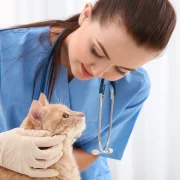
How veterinary clinics support pet owners after an accidental mating comes down to timing, clear advice, and practical medical care. A clinic can help confirm what happened, explain the real pregnancy risk, discuss options to prevent or manage pregnancy, and protect your pet’s health through the next steps. If mating may have happened, calling a veterinary clinic the same day gives you the most options.
Veterinary care after accidental pet breeding starts with fast, calm guidance
When owners call after an unplanned breeding, the first problem is rarely just medical. It is panic. You might not know whether mating actually occurred, whether a “tie” means pregnancy is certain, or whether your pet is now in danger. Clinics help by slowing the situation down and sorting fact from fear.
Pregnancy is possible after a single mating, but not every exposure leads to a litter. Timing matters. A female’s heat cycle matters. Species matters. Your pet’s age, size, and health history matter. That is why a quick internet search often leaves owners more confused than reassured. A veterinary team can place your situation in context instead of giving generic answers.
For dogs, owners often report seeing a tie and assume that means pregnancy cannot be prevented. It does increase the chance, but it does not answer every medical question. For cats, accidental mating can be even harder to track because they are skilled at slipping outside and may show fewer obvious clues. In both cases, clinics focus on what can be verified, what cannot be known yet, and what should happen next.
If your pet is not already spayed, the clinic may discuss spaying as both treatment and prevention. The American Veterinary Medical Association explains the broader health and population benefits in this spay and neuter client brochure. That conversation is not about blame. It is about reducing future risk, avoiding repeat stress, and protecting your pet from conditions linked to repeated heat cycles and pregnancy.
Unplanned pet mating can bring medical and financial stress
An accidental mating can turn into more than a surprise litter. Pregnancy and birth carry real risks, especially for very young pets, older pets, small breeds bred to larger males, and animals with hidden health issues. Some pregnancies end in difficult labor, emergency surgery, or newborn losses. If your pet has never had a reproductive exam, those risks can be hard to predict at home.
Cost is often the next concern. Owners may hope to “wait and see” because they are trying to avoid an exam fee, but waiting can narrow the safest options. Early veterinary care may cost less than managing pregnancy, delivery, complications, or a cesarean section later. If the mating involved a stray or unknown animal, your clinic may also discuss parasite exposure, infectious disease concerns, and vaccination status.
Veterinary care after accidental mating also includes honest conversations about breeding ethics and readiness. Even if both animals seem healthy, planned breeding is a medical process, not just a biological one. Reproductive specialists evaluate genetics, body condition, timing, fertility, and maternal safety. Iowa State University’s reproduction and theriogenology service shows how much expertise can be involved when breeding is intentional. An unplanned mating skips all of that screening, which is why veterinary guidance matters so much.
Veterinary clinic support after accidental mating includes clear options
Owners often want one simple answer, but clinics usually present a few paths based on timing and your pet’s health. If the mating was very recent, your veterinarian may recommend an exam and discuss whether spaying is appropriate. If more time has passed, they may talk about pregnancy diagnosis through palpation, ultrasound, or radiographs later in the process. If pregnancy is confirmed, they can help you prepare for prenatal care, nutrition changes, whelping or queening, and emergency warning signs.
What clinics do not do is guess recklessly. They do not promise that pregnancy did or did not happen based on one symptom. They do not tell you to monitor at home without explaining what to watch for. Good veterinary support is direct, specific, and grounded in your pet’s timeline.
Key considerations after an accidental mating
| Situation | Waiting at Home | Calling a Veterinary Clinic Promptly |
|---|---|---|
| Uncertainty about pregnancy risk | You may rely on guesswork or misleading online advice | You get advice based on species, heat cycle, and timing |
| Medical options | Options may narrow as time passes | Early evaluation can preserve more choices |
| Health risks to the female | Hidden risks may go unnoticed | Age, size mismatch, and health concerns can be assessed |
| Cost | Short term cost may seem lower, long term cost can rise if pregnancy or complications follow | Early care may prevent more expensive treatment later |
| Future prevention | Another accidental breeding can happen | You can discuss spaying, supervision, and heat cycle planning |
Three immediate steps after accidental pet breeding
1. Call a veterinary clinic and note the timing. Write down when the mating happened, whether you saw a tie, and any details about the other animal. That information helps the clinic guide you quickly and accurately.
2. Keep the animals separated and limit repeat exposure. One accidental mating can turn into multiple matings over several days if the female is still in heat. Separation matters right away.
3. Ask for a plan, not just an answer. You need to know what happens today, what signs to watch for this week, and when pregnancy can actually be confirmed. A clear timeline lowers stress and helps you act with confidence.
Support from a veterinary clinic can turn a stressful mistake into a manageable plan
You do not need to have every answer before you call. You just need to act quickly. How veterinary clinics support pet owners after an accidental mating is by replacing panic with a medical plan that fits your pet, your timeline, and the real level of risk. Reach out to a veterinary clinic as soon as possible so you can protect your pet’s health and make the next decision with solid guidance.