By
By 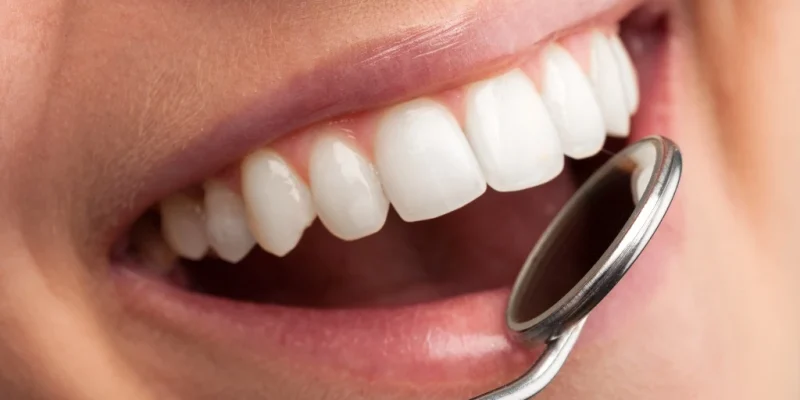
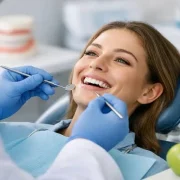
Keeping your smile healthy starts with preventive care. It is the best way to avoid dental issues before they start. In family dentistry in Hesperia, preventive care focuses on maintaining oral health for everyone. This approach involves regular check-ups, cleanings, and education. You can stop cavities, gum disease, and other problems in their tracks. Daily habits like brushing and flossing matter too. These simple acts can save you from pain and costly procedures down the road. Plus, visiting your dentist regularly means any issues are caught early. Preventive care is not just for adults. Children benefit as well. It sets them up for a lifetime of healthy smiles. Learning good habits young makes a difference. Family dentistry offers tailored care for each stage of life. It ensures every member of your family gets the attention they need. Trust in a proactive approach for lasting dental health.
What is Preventive Care?
Preventive care in dentistry involves regular monitoring and maintenance of oral health. This includes professional cleanings, exams, and X-rays. The aim is to catch potential problems early. It reduces the need for more extensive treatments later. Preventive care also involves guidance on daily habits that promote oral health.
Benefits for the Whole Family
Everyone, from toddlers to seniors, can benefit from preventive dental care. By adopting this approach, you protect your oral health at every stage of life. The benefits include:
- Early detection of cavities and gum disease
- Monitoring for tooth development and alignment in children
- Advice on diet and lifestyle to support oral health
Key Components of Preventive Care
Several key actions form the foundation of preventive dental care:
- Regular dental check-ups, ideally twice a year
- Professional cleanings to remove plaque and tartar
- X-rays to spot issues not visible to the naked eye
- Fluoride treatments for strengthening tooth enamel
- Sealants to protect grooves in teeth from decay
Daily Habits Matter
While regular dental visits are essential, your daily habits play a crucial role. Simple actions can make a big difference:
- Brush your teeth twice a day with fluoride toothpaste
- Floss daily to remove plaque between teeth
- Limit sugary snacks and drinks
- Use mouthwash to reduce harmful bacteria
Comparison of Preventive vs. Reactive Care
| Aspect | Preventive Care | Reactive Care |
|---|---|---|
| Focus | Prevention of dental issues | Treatment of existing problems |
| Cost | Generally lower | Often higher due to complex treatments |
| Pain | Minimal with regular monitoring | Potential for pain with advanced issues |
| Frequency | Regular visits as a routine | Visits only when issues occur |
As shown, preventive care is not only cost-effective but also minimizes discomfort. Regular check-ups allow for early intervention. This approach fosters optimal oral health and wellness.
Creating a Family Routine
Establishing a family routine for dental care is simple. Include dental appointments in your calendar. Make brushing and flossing a family activity. Encourage each other to maintain good habits. A united approach ensures everyone benefits.
Accessing Resources and Support
Educational resources are valuable. They guide you on maintaining oral health. The Centers for Disease Control and Prevention offers advice on oral health. Such resources empower you to make informed decisions.
Conclusion
Prioritize preventive care for your family’s dental health. This proactive strategy preserves smiles and well-being. Trust your dentist to provide the care and guidance needed for healthy teeth. Remember, a healthy mouth contributes to overall health. Embrace preventive care and enjoy the benefits of a confident, enduring smile.