By
By 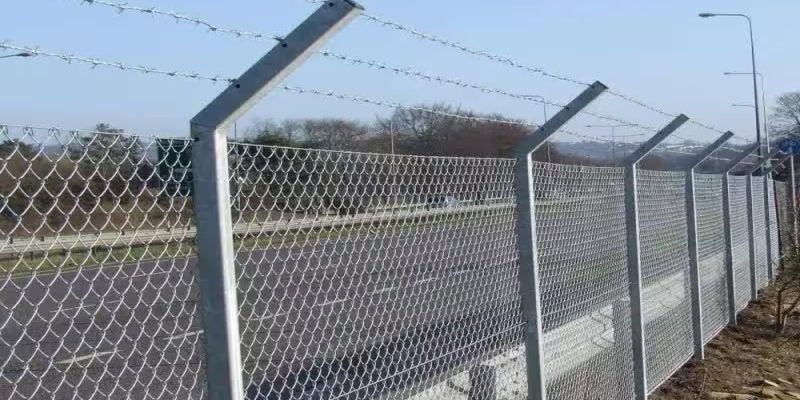
Key Takeaways
Choosing the right metal fencing is essential for boosting both aesthetic charm and security for any property, whether it belongs to a business or a homeowner. It’s vital to grasp personal requirements along with the specific site conditions during this selection phase.
Several factors, including environmental conditions, security needs, aesthetic values, and maintenance issues, significantly influence the ideal metal fencing option. Each element must be considered thoughtfully to align with what the property owner truly needs.
Different metals like steel, aluminum, wrought iron, and galvanized steel each bring their unique advantages, offering everything from durability to rust resistance. The selection of metal not only meets immediate requirements but also impacts the long-term value of the property.
Chain-link fencing presents a budget-friendly option that ensures security while maintaining visibility, making it particularly effective for purposes like pet containment. Its easy assembly plays a big role in reducing installation expenses.
Ornamental wrought iron fencing combines elegance with durability, enhancing curb appeal, which can ultimately boost property value despite a higher entry cost. Moreover, its adaptability allows clients to explore various customization options.
Aluminum fencing strikes a balance between cost, toughness, and low maintenance, rendering it a favored selection for budget-conscious homeowners. The lightweight nature of aluminum simplifies the installation process.
The decision to either install a fence independently or hire professional services carries significant weight regarding the project’s quality. Engaging seasoned installers ensures compliance with regulations and comes with warranties, thus offering clients peace of mind.
Choosing the Right Metal Fencing for Your Property
The selection of suitable metal fencing can profoundly influence both the aesthetic appeal and security of a property. Many businesses and homeowners find themselves weighed down by numerous choices. The trick is to clearly understand their specific needs alongside the unique site conditions.
Factors That Dictate Your Metal Fencing Selection
When it comes to picking a metal fence, multiple factors must be taken into consideration. The location, intended use, and local regulations all play a crucial role in shaping the decision-making process. Here are some key aspects to think about:
- Environmental Conditions: Properties located in coastal areas often battle corrosion; thus, selecting corrosion-resistant materials is critical.
- Security Requirements: Areas needing high security may call for sturdier structures, and the chosen fence should effectively deter potential intruders.
- Aesthetic Preferences: Varied designs and finishes can enhance the visual appeal of the surrounding landscape.
- Maintenance Concerns: Certain materials need regular upkeep, making it vital to assess the owner’s willingness to maintain.
Careful evaluation of how these elements relate to one another is necessary. Ultimately, each decision hinges on achieving the right balance. Wouldn’t it be wonderful to have a fence that not only looks pleasing but also keeps unwanted visitors at bay?
Understanding Different Metal Types and Their Benefits
To make informed decisions, understanding the specific advantages provided by various metals is essential. Here’s a brief overview:
- Steel: Known for its impressive strength and durability, often utilized in high-security contexts.
- Aluminum: Lightweight and resistant to rust, it’s an excellent option for budget-conscious projects that require less maintenance.
- Wrought Iron: Delivers a classic aesthetic, but may require more care than alternative metals.
- Galvanized Steel: Coated for enhanced rust protection, suited where aesthetics intersect with functionality.
The metal choice should reflect not only immediate needs but also future aspirations. Think about the overall impact on property value; different metal types can communicate much about the owner’s style and commitment.
Top 6 Metal Fencing Options for Ultimate Security
When it comes to metal fencing, various options cater to distinct needs. Selecting the right style encapsulates functional resilience and visual appeal. Here’s a summary of the top six choices available.
Unraveling the Strength of Chain-Link Fencing
Chain-link fencing gets noticed for its straightforward installation and utility. Its cost-effectiveness does not sacrifice security either. Available in different thicknesses, it offers dependable barriers without overstretching the budget.
- Visibility: Promotes transparency, making it less prone to vandalism.
- Installation Cost: Generally lower owing to simple designs.
- Customization: Accessible in various gauges and finishes.
While some may contend it lacks charm, others value the high visibility it affords. Besides, such fencing can serve dual functions, like containing pets while providing clear sightlines of the property.
The Appeal of Ornamental Wrought Iron Fencing
When it comes to elegance, few materials compare with ornamental wrought iron fencing. This choice elevates the aesthetic of any property, demonstrating both strength and class. But what really sets wrought iron apart?
- Design Versatility: It offers a plethora of intricate designs and customization options, allowing creativity to shine.
- Longevity: Quality wrought iron can endure for decades with appropriate maintenance.
- Security: Its height and robustness make it an impressive barrier against intruders.
Even though the initial cost might be higher, many find its long-term advantages to be worthwhile. A striking fence can greatly enhance curb appeal and boost property value over time.
Cost-Effective Solutions Without Sacrificing Quality
Budget restrictions shouldn’t limit selection. Experts assert that quality solutions exist across all price ranges. Common options like aluminum deliver a compelling mix of affordability and performance, appealing to cost-sensitive homeowners and businesses alike.
Budget-Friendly Aluminum Fencing That Lasts
Aluminum fencing seamlessly fuses remarkable strength with low upkeep. Its lightweight design doesn’t compromise durability. Here are a few reasons to consider aluminum:
- Corrosion Resistance: Without rust, it boasts a prolonged lifespan.
- Variety of Styles: Options range from sleek, modern designs to classic looks.
- Ease of Installation: The lightweight nature simplifies the setup process.
Many clients admire aluminum’s effortless elegance, all while avoiding the burden of frequent maintenance.
Pricing Breakdown: What to Expect in Metal Fencing Costs
Understanding the monetary aspect of metal fencing is vital for effective planning. A rough cost overview includes:
- Chain-Link Fencing: Typically falls between $10 to $20 per linear foot.
- Wrought Iron Fencing: Ranges from $20 to $30 per linear foot depending on design complexity.
- Aluminum Fencing: Usually priced from $15 to $25 per linear foot.
Costs can vary widely depending on factors like location, quality of materials, and complexity of installation. It’s wise to seek multiple quotes for greater assurance.
Installing Metal Fences: DIY vs. Professional Help
Installing metal fences might seem daunting. However, the decision between a DIY approach or enlisting professionals can significantly influence the overall outcome. Both options come with their own sets of pros and cons.
How to Assess If You Can Go Solo on Installation
Before diving into a DIY installation, several questions need consideration. Can the required tools and skills be secured? Here are some aspects to ponder:
- Skill Level: Is there any previous experience with fence installations?
- Tool Availability: Are the right tools accessible for the task?
- Time Commitment: How much time can be allocated to the project?
These points are important. Many clients find the project less intimidating than they first thought. Still, a single mistake could lead to costly repercussions that may necessitate professional assistance.
The Advantages of Hiring a Specialist for Metal Fencing
At times, going with a professional can be the smartest choice. The experience and expertise they provide can save time and yield better-quality outcomes. Notable advantages include:
- Smooth Installation: Experts ensure that every fence is correctly installed and complies with regulations.
- Access to Resources: Established installers typically have a wealth of materials and tools, which can lower costs due to supplier relationships.
- Worry-Free Warranty: Many professionals back their work with guarantees, offering clients peace of mind.
Clients often find that investing in professional assistance pays off in the long run, both in terms of quality and durability. Ultimately, it could deliver the lasting protection sought from durable metal fencing solutions.
FAQ
What factors should be considered when choosing the height of a metal fence?
The height is typically dictated by the fence’s desired purpose. When prioritizing security, taller fences minimize the likelihood of unauthorized entry, while shorter options may satisfy aesthetic boundary requirements. Local regulations should also be examined to ensure compliance.
Can metal fencing be customized in terms of design and color?
Definitely! Many metal fencing solutions offer a variety of designs and color finishes. Notably, ornamental wrought iron is celebrated for its flexibility, permitting intricate patterns and hues that enhance any property’s visual appeal. Both aluminum and steel options can also be powder-coated to achieve desired aesthetics.
What is the average lifespan of different types of metal fences?
Lifespan can widely differ based on material choice. Steel fences may last over 30 years with appropriate maintenance, while aluminum typically holds up for 20-25 years. Wrought iron can enjoy several decades of longevity, offering a long-term investment for property owners.
Are there specific maintenance requirements for different metal types?
Indeed, maintenance requirements vary by metal. Wrought iron often needs periodic painting to prevent rust, while aluminum usually requires minimal upkeep due to its rust-resistant nature. Steel demands attention to its protective coatings, especially in challenging environments.
How do local building codes affect metal fencing installation?
Local building codes can determine various factors, from fence height to type and placement. Consequently, it’s essential to consult these regulations prior to any installation work. Non-compliance could result in fines or necessitate removal, making familiarity with guidelines crucial for all property owners.
Can metal fences be installed on sloped terrain?
Absolutely, metal fences can be set up on sloped land, but it might involve more intricate installation techniques. Professional installers can develop fence plans that accommodate elevation changes, ensuring security and visual appeal. Understanding the land’s contours aids in selecting the ideal design approach.
What are the best practices for ensuring the longevity of metal fencing?
Preserving longevity often involves regular inspections for wear, timely rust prevention treatments, and maintaining proper drainage to avoid moisture buildup. Staying proactive with cleaning can avert accumulation and enhance aesthetics, ultimately prolonging the fencing’s life.