By
By 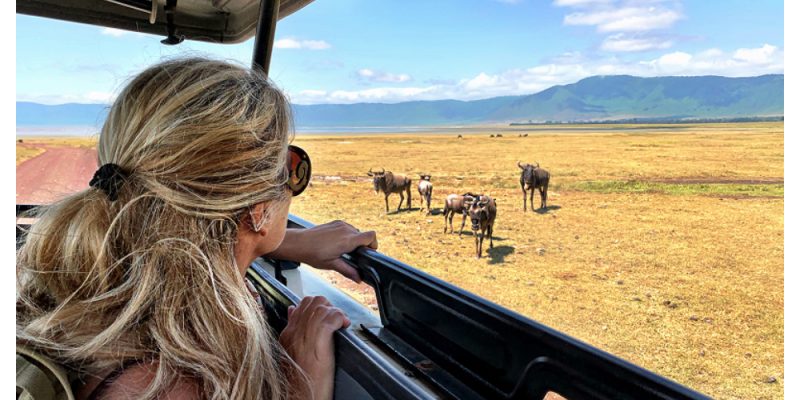
Across Africa’s open plains and protected reserves, safari travel offers a quieter way to engage with nature. Days follow light, weather, and animal movement instead of clocks. Travellers value space, steady pacing, and the chance to observe wildlife behaviour as it unfolds without constant activity or noise, which explains the appeal tied to African safari tours.
Long-standing conservation frameworks across East and Southern Africa support responsible access to wildlife regions. National parks and private conservancies operate under regulated visitor numbers, fixed driving zones, and trained guiding requirements. Such measures help preserve animal patterns while allowing guests to experience the landscape in a respectful setting.
Landscapes That Define the Experience
Safari regions vary widely in terrain and mood. Savannah grasslands offer long sightlines suited to wildlife tracking, while wetlands and river systems attract birds and grazing animals in seasonal cycles. Highlands and forested areas introduce cooler air and denser vegetation, reshaping daily game viewing expectations.
Planning routes across distinct ecosystems adds depth to experiences booked as African safari tours. Travellers move between two or three areas to see different habitats, using light aircraft or guided road transfers. Ongoing improvements in airstrip access and regional flight coordination have reduced transfer times, allowing more hours spent within reserves and less time taken up by transit.
Wildlife Viewing Guided by Knowledge
Wildlife encounters depend on skilled guidance. Professional safari guides train extensively in animal behaviour, tracking methods, and safety protocols. Certification standards vary by country, yet core training focuses on reading movement patterns, interpreting tracks, and maintaining safe distances at all times.
Technological developments continue to support guides in subtle ways. GPS mapping, shared sighting databases, and radio coordination across conservancies help reduce vehicle congestion around animals. Such systems help maintain clear viewing conditions while limiting disruption to wildlife routines during African safari tours.
Accommodation Designed for Location
Safari lodges and camps are planned around climate, landscape, and environmental limits. Structures use raised platforms, open-air designs, and natural ventilation to suit local conditions. Power, water use, and waste management follow defined limits set by park authorities or conservancy rules.
Many camps now rely on solar energy systems and low-impact construction methods. Such developments improve reliability without altering the surrounding environment. Accommodation choices balance comfort with responsible operations on the ground, a detail valued when trips are arranged through a luxury travel agency in Singapore.
Daily Rhythm and Practical Comfort
Safari days tend to start early, matching animal movement during cooler hours. Morning drives focus on tracking predators and grazing herds, while afternoons allow rest before evening outings. Meals, rest periods, and travel times follow a predictable rhythm that supports comfort over multiple days.
Advances in lodge logistics have refined this flow. Improved food storage, transport coordination, and medical access planning support longer stays in remote areas. Such details are coordinated before arrival by a luxury travel agency in Singapore, reducing uncertainty once guests reach camp.
Transport and Access Across Regions
Moving between safari areas requires careful planning. Light aircraft serve remote airstrips, while road transfers follow fixed routes within protected zones. Regulations limit off-road driving to reduce soil damage and disturbance, shaping how movement occurs within parks.
Fleet upgrades across many regions have improved ride stability and safety. Modern safari vehicles include reinforced frames, open viewing roofs, and improved suspension suited to rough terrain. Such transport standards help maintain consistent travel conditions during extended game drives on African safari tours.
Planning With Purpose and Clarity
Clear planning remains essential for safari travel. Entry permits, park fees, and conservation levies differ by region and season. Weather patterns also influence animal movement, affecting viewing expectations at different times of year.
Travel timing and logistical requirements align more smoothly when working alongside a luxury travel agency in Singapore. Itineraries factor in migration cycles, rainfall patterns, and camp availability, creating a plan shaped by environmental realities rather than marketing promises.
A Journey Shaped by Observation
Safari travel places emphasis on observation and patience. Long stretches may pass quietly, followed by brief and memorable encounters. Such pacing appeals to travellers seeking perspective rather than packed schedules.
Through improved conservation management, guide training, and transport coordination, African safari tours continue to evolve. Experiences remain grounded in environment and wildlife behaviour, offering consistency for travellers who appreciate thoughtful planning alongside steady routines.
For travellers considering a composed and well-structured safari experience, Contact Prestige by Chan Brothers to plan a journey shaped around landscape, wildlife patterns, and calm progression through some of Africa’s most remarkable regions.