By
By 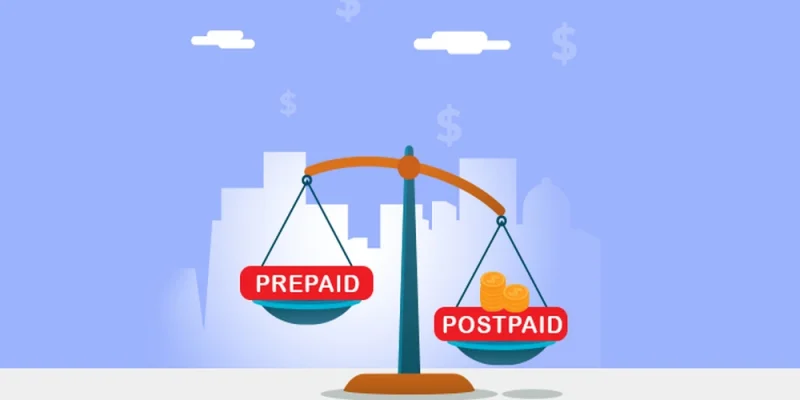
Choosing between prepaid and postpaid is one of the most common decisions for mobile users in Malaysia. At first, the answer looks simple. Prepaid gives flexibility. Postpaid gives convenience. But in real life, the better choice depends on how you use your phone, how predictable your monthly budget is, how much data you need, and whether you want a device bundle.
Some users want full control and no commitment. Some prefer one fixed bill every month. Some people only need a basic line for calls and WhatsApp. Others need heavy data, hotspot, roaming, family lines or a phone bundle. This is why comparing mobile plans only by price can lead to the wrong decision.
The real question is not whether prepaid or postpaid is “better” overall. The better question is: which one gives better value for your usage?
This guide explains the difference between prepaid and postpaid, when each option makes sense, and how to choose the right plan without paying for benefits you do not need.
What Is a Prepaid Mobile Plan?
A prepaid plan lets you pay before using the service. You reload credit, buy a pass or subscribe to a prepaid data plan. Once your validity, credit or quota runs out, you need to renew, reload or buy another pass.
The biggest advantage of prepaid mobile plans is control. You decide how much to spend and when to spend it. There is usually no heavy monthly commitment, which makes prepaid useful for students, light users, backup lines, temporary users, gig workers and anyone who wants spending flexibility.
Prepaid is also useful if your usage changes often. For example, you may need more data during travel, less data during exam season, or only basic access for a second number. With prepaid, you can adjust more easily.
The trade-off is that you need to manage validity, reloads and renewals. If you forget to renew your pass or keep insufficient credit, your usage may be interrupted.
What Is a Postpaid Plan?
A postpaid plan works differently. You subscribe to a monthly plan and pay the bill after the billing cycle. The plan usually includes a fixed amount of data, unlimited calls on selected plans, hotspot or shareable data, and sometimes extras such as roaming options, supplementary lines or device bundles.
Postpaid is built for convenience. You do not need to reload manually every few days or weeks. Your plan renews monthly, and you get a predictable billing structure.
A postpaid plan is often better for users who want stable monthly usage, higher data quota, business or work reliability, family lines, or a bundled phone offer. It may also be more suitable for people who dislike tracking prepaid validity and top-ups.
The trade-off is that postpaid usually requires more commitment than prepaid. Some SIM-only postpaid plans may have no contract, but device bundle plans often come with longer contract periods.
Price Is Not the Only Thing That Matters
Many users make the mistake of choosing based only on the monthly price. That is risky because the cheapest plan may not be the best value.
A prepaid plan may look cheaper, but if you keep buying extra data, boosters or validity extensions, your real monthly spend can become higher. A postpaid plan may look more expensive, but if it includes enough data, calls and hotspot for the whole month, it may actually be better value.
When comparing mobile plans, look at the full cost:
- Monthly fee or reload cost
- High-speed data quota
- Unlimited call availability
- Hotspot or shareable data
- Validity period
- Speed after quota is used
- Device bundle options
- Roaming options
- Contract period
- Upgrade or downgrade flexibility
- Extra charges after quota
- Ease of payment and account management
The right plan is the one that matches your real usage at the lowest practical cost, not the one with the lowest headline price.
When Prepaid Gives Better Value
Prepaid gives better value when flexibility matters more than convenience.
If you are a student, prepaid helps you control spending based on your allowance. If you are a light user, prepaid prevents you from paying for a large monthly plan you do not fully use. If you use WiFi most of the time, prepaid may be enough for calls, WhatsApp, banking apps, maps and occasional browsing.
Prepaid is also useful for gig workers or freelancers whose usage changes from week to week. You can choose a weekly or monthly pass depending on your workload. For backup lines, prepaid is usually more practical than maintaining another monthly postpaid bill.
Prepaid mobile plans are especially good for people who do not want long-term commitment. If you want to test a network, keep a second number, manage a child’s mobile usage, or avoid bill shock, prepaid is a smart choice.
Prepaid can also work well if you want unlimited calls and enough data at a lower monthly cost. The important thing is to pick a prepaid pass that covers your normal month without forcing repeated top-ups.
When Postpaid Gives Better Value
Postpaid gives better value when your usage is stable, heavy or tied to work.
If you use mobile data every day for work, streaming, navigation, video calls, hotspot and social media, a postpaid plan can give you better consistency. You do not need to worry about manual reloads or pass expiry. You get one monthly plan and one bill.
Postpaid also makes sense for people who use their number professionally. Sales teams, business owners, managers, field staff and frequent callers usually prefer a plan that stays active without needing constant monitoring.
Another strong reason to choose postpaid is device bundling. If you want a new phone and prefer to spread the value through a monthly plan, a postpaid phone bundle can be attractive. In this case, the comparison is not only about data and calls. It is also about the phone, upfront payment, contract length and total cost over the contract period.
Postpaid is also useful for families. A main line with supplementary lines may be easier to manage than multiple prepaid accounts. For parents, one bill and shared plan structure can reduce hassle.
Data Usage: The Biggest Deciding Factor
Your data usage should strongly influence your choice.
If you use only 10GB to 30GB a month because you are mostly on WiFi, prepaid may be enough. If you use 100GB or more every month, you should compare both prepaid and postpaid carefully. Some prepaid plans now offer strong data value, while postpaid may offer higher convenience and better monthly consistency.
Heavy users should also check what happens after high-speed data is finished. Some plans reduce speed. Some allow boosters. Some may stop high-speed usage until renewal. This can affect real value.
Do not choose a plan just because it offers a large data number. Ask whether the data is usable for your needs. Can it be used for hotspot? Is it 5G/4G? Is the hotspot separate or deducted from the same bucket? Is the speed reduced after quota? Can you buy extra data easily?
These details matter more than the headline quota.
Calls: Prepaid and Postpaid Can Both Be Strong
If you call often, both prepaid and postpaid can work, depending on the plan.
Many modern mobile plans include unlimited domestic calls on selected passes. This is useful for parents, senior citizens, customer-facing workers, business users and anyone who still depends on normal voice calls.
But unlimited calls usually have conditions. They are typically meant for normal domestic person-to-person usage. Special numbers, international calls, roaming calls, toll-free numbers, video calls or commercial calling patterns may not be included.
So do not assume every plan has the same calling benefit. Check whether unlimited calls are included, whether they apply to all networks, and whether there are fair usage limits.
If calling is your main need and your data usage is moderate, prepaid may be enough. If calling is part of your work and you also need heavy data, a postpaid plan may be more practical.
Hotspot and Work Use
Hotspot is another important factor.
If you rarely connect your laptop or tablet, hotspot may not matter much. But if you work remotely, study online, travel often or need backup internet, hotspot becomes valuable.
Some prepaid plans provide a dedicated hotspot bucket. Some postpaid plans allow hotspot or shareable data from the main data bucket. Both can work, but you need to understand how your plan handles it.
For students, even a small hotspot quota can help during assignments or online classes. For working adults, hotspot can be a backup when home WiFi fails. For gig workers, hotspot may be less important than phone data, but it can still help in emergencies.
When comparing prepaid mobile plans and postpaid options, hotspot should be part of the decision if your phone often supports other devices.
Device Bundle: Usually a Postpaid Advantage
One area where postpaid often has an advantage is device bundling.
If you want a new smartphone, some postpaid plans offer free or discounted devices when you sign up for a specific plan. This can reduce upfront phone cost, but you must look at the full commitment.
Check the monthly fee, contract period, upfront payment, advance payment, early termination terms and total cost over the full period. A free phone is not really free if the monthly plan is much higher than what you need.
A device bundle can be excellent value if you already need that level of data and calls. But if you are a light user, choosing a bigger postpaid plan only to get a phone may not be the smartest financial decision.
For users who already have a phone, SIM-only prepaid or postpaid may be better. For users who need a new phone and stable monthly service, postpaid device bundles are worth considering.
Which One Is Better for Students?
For most students, prepaid is usually the safer starting point. It gives spending control and flexibility. Students can choose a plan based on allowance, data needs and study schedule.
If a student uses WiFi at home, hostel or campus, prepaid may be enough. If the student needs heavy data daily, then a higher-value prepaid monthly plan or entry-level postpaid option can be compared.
The best choice depends on whether the student wants control or convenience.
Which One Is Better for Working Adults?
Working adults often benefit from postpaid if they use their phone heavily for calls, email, apps, video meetings, hotspot and travel. A monthly bill is easier to manage, especially if the phone is part of work.
However, not every working adult needs postpaid. If you mostly work from WiFi and use mobile data moderately, prepaid may still be good value.
Which One Is Better for Families?
Families should compare both options carefully.
If each family member has different usage, prepaid gives individual control. Parents can manage children’s spending better with prepaid.
But if the family wants one bill, shared value, supplementary lines or larger data allocation, postpaid family plans may be more convenient.
For households with multiple heavy users, postpaid can be easier to manage. For families with mixed usage, a combination of prepaid and postpaid may work better.
Final Verdict: Choose Based on Usage, Not Habit
There is no single winner between prepaid and postpaid. The better choice depends on how you use your phone.
Choose prepaid mobile plans if you want spending control, flexibility, no long commitment, backup line convenience or moderate monthly usage.
Choose a postpaid plan if you want stable monthly service, higher convenience, larger data needs, family line management, work reliability or a device bundle.
When comparing mobile plans, focus on real value. Look beyond price and check data, calls, hotspot, validity, speed after quota, contract terms and total monthly cost.
The smartest plan is not the cheapest plan. It is the plan that fits your daily life without waste, stress or surprise charges.
FAQs
1. Is prepaid cheaper than postpaid in Malaysia?
Prepaid can be cheaper for light or flexible users. However, postpaid may offer better value for heavy users who need consistent data, calls and monthly convenience.
2. Who should choose prepaid mobile plans?
Prepaid is suitable for students, light users, backup-line users, gig workers, children, senior citizens and anyone who wants better spending control.
3. Who should choose a postpaid plan?
Postpaid is suitable for working adults, heavy data users, families, business users and people who want monthly convenience or phone bundle options.
4. Can prepaid plans include unlimited calls?
Yes, selected prepaid passes may include unlimited domestic calls. Users should check the terms because special numbers, international calls and roaming calls may be excluded.
5. Are postpaid phone bundles worth it?
They can be worth it if you need both the phone and the monthly plan. Always check the contract period, upfront payment, monthly fee and total cost before signing up.