By
By 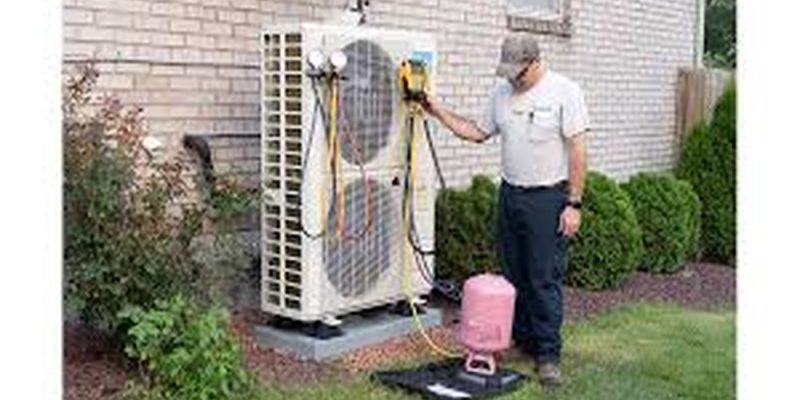
Heating and cooling your home efficiently has become more important than ever. Rising energy costs, uneven temperatures, and outdated HVAC systems leave many homeowners searching for smarter solutions. That’s where ductless mini split systems step in. They promise comfort, flexibility, and energy savings-but many people still wonder what the installation process actually involves and whether it’s worth the investment.
Why Ductless Mini Splits Are Gaining Popularity
Traditional HVAC systems rely on ductwork to distribute air throughout a home. While effective, ducts can lead to energy loss, uneven airflow, and higher maintenance costs over time. Ductless mini split systems eliminate this issue by delivering air directly into individual rooms or zones.
This design allows for more precise temperature control. Homeowners can cool or heat specific areas without wasting energy on unused spaces. In addition, these systems are known for quiet operation and improved indoor air quality since they avoid dust accumulation common in ducts.
As energy efficiency becomes a priority, ductless systems are increasingly seen as a modern solution for both new builds and older homes without existing ductwork.
Understanding How the System Works
A ductless mini split system consists of two main components: an outdoor compressor unit and one or more indoor air-handling units. These components are connected by a small conduit that houses the power cable, refrigerant line, and drainage system.
Unlike central systems, each indoor unit operates independently. This means you can set different temperatures for different rooms, creating a tailored comfort experience throughout your home.
Because of this simple yet effective design, installation is typically less invasive compared to traditional HVAC systems.
Preparing for Installation Day
Before installation begins, a professional technician will assess your home. This includes evaluating room sizes, insulation levels, and your specific heating and cooling needs. Proper sizing is critical. A system that’s too small won’t keep up with demand, while an oversized unit may cycle inefficiently.
Homeowners often underestimate how important this planning phase is. It directly impacts performance, energy efficiency, and long-term reliability.
At this stage, you’ll also discuss placement for indoor units. These are usually mounted high on walls to ensure optimal airflow, but the exact positioning depends on room layout and design preferences.
The Installation Process Explained
Once planning is complete, the actual installation is relatively straightforward and often completed within a day.
The process begins with mounting the indoor unit securely on a wall. A small hole is then drilled to connect the indoor and outdoor units through the conduit. This opening is minimal compared to the extensive ductwork required in traditional systems.
Next, the outdoor unit is installed on a stable base outside your home. The technician connects refrigerant lines, electrical wiring, and drainage pipes between both units.
After everything is connected, the system is tested thoroughly. This ensures proper airflow, refrigerant levels, and overall functionality.
Understanding what to expect from a ductless mini split installation at this stage helps reduce uncertainty. Most homeowners are surprised by how clean and efficient the process is.
Installation Time and Disruption
One of the biggest advantages of ductless systems is minimal disruption. Unlike central HVAC installations that may take several days and require significant structural changes, mini split installations are far less invasive.
In most cases, a single-zone system can be installed in just a few hours. Multi-zone systems may take longer but are still completed quickly compared to traditional setups.
There is little to no mess, and technicians typically leave your home in the same condition they found it. This makes it an attractive option for homeowners who want an upgrade without major inconvenience.
Cost Considerations and Long-Term Value
The upfront cost of a ductless mini split system can be higher than some traditional systems. However, it’s important to look beyond the initial investment.
These systems are highly energy-efficient, often reducing monthly utility bills significantly. Over time, the savings can offset installation costs. Additionally, because there are no ducts, you avoid maintenance expenses related to duct cleaning or repair.
Many homeowners also find value in the flexibility these systems provide. Being able to control temperatures room by room adds both comfort and efficiency to everyday living.
Common Mistakes to Avoid
While ductless systems are straightforward, certain mistakes can impact their performance.
Choosing the wrong system size is one of the most common issues. Improper placement of indoor units can also lead to uneven cooling or heating. Working with experienced professionals ensures these mistakes are avoided from the start.
Another overlooked factor is regular maintenance. Although these systems require less upkeep than traditional HVAC units, routine cleaning and servicing are still essential for optimal performance.
Is a Ductless Mini Split Right for You?
Ductless mini splits are ideal for a wide range of situations. They work especially well in homes without existing ductwork, room additions, garages, and areas with inconsistent temperatures.
They are also a strong choice for homeowners seeking energy efficiency and personalized comfort. However, every home is different. Consulting with a qualified technician ensures you choose the right solution for your needs.
By now, you should have a clear understanding of what to expect from a ductless mini split installation and how it fits into modern home comfort solutions.
Conclusion
Ductless mini split systems offer a practical, efficient, and flexible way to heat and cool your home. From minimal installation disruption to long-term energy savings, they present a compelling alternative to traditional HVAC systems.
The key to success lies in proper planning, professional installation, and ongoing maintenance. When done right, this upgrade can transform your home’s comfort while reducing energy costs.