By
By 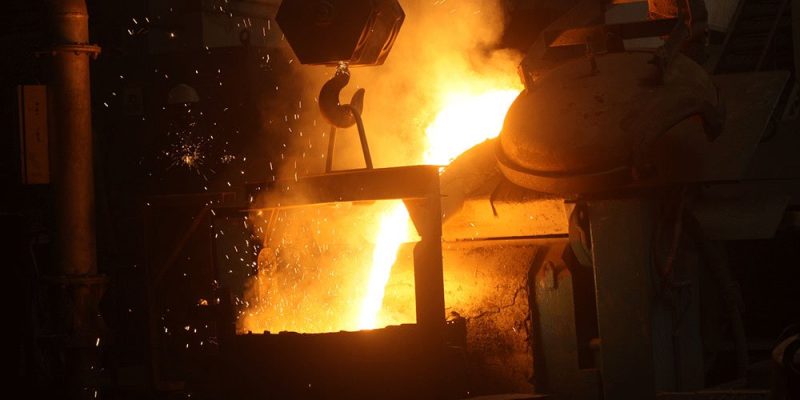
In the manufacturing world, where precision, strength and complexity are paramount, they have never been more important. That’s right, and one process makes all three of them possible — metal casting. From engine blocks and paper clips to art and decor, metal casting supplies the skeletons for practically every industry.
What is Metal Casting?
Melted metal is poured into a mold to manufacture metal pieces using the well-known metal casting method. The mold is taken off to expose a finished part once the metal cools and hardens.
This thousand-year-old technology remains one of the most effective ways to create complex shapes with little scrap. It is the lifeblood of industries including automotive, aerospace, construction and machinery.
Process Print: The Journey from Idea to Part
Although it sounds simple, make no mistake: casting is a series of minutely detailed tasks:
● Pattern Creation
A model of the end product — known as a pattern — is created from wood, metal or plastic. This forms the mold cavity.
● Core Placement
If the end product requires hollow sections (like the insides of pipes), a core is inserted to create those areas.
● Mold Building
The mold is placed in a container (locally available material such as sand or plaster) and has a parting or separation line. When taken away, they leave a space constituting the mold for metal.
● Melting and Pouring
After melting, the metal—such as bronze, iron, or aluminum—is poured into the mold. Defects are preventable with temperature control.
● Cooling and Mold Removal
When the metal cools, the portion is removed by breaking the mold. Strength and grain structure may be affected by the rate of cooling.
● Cleaning and Finishing
This casting is shot cleaned through to remove sand or other material. It can be polished, machined, or coated as needed.
Casting Methods One Approach, Multiple Choices
The project determines which casting techniques are used:
- Sand casting: It is a flexible and affordable method that works well for big or custom sculptures.
- Die casting: A high-volume, high-speed method that makes use of reusable molds.
- Investment Casting: Great for fine details and elaborate designs
- Plaster casting: Offers a smooth surface that is appropriate for small parts and prototypes
Why Metal Casting Still Reigns
Metal casting offers unmatched advantages:
- Large or complex parts can be produced in a single operation.
- Less waste than cutting or machining
- Its compatibility extends to many different metal alloys
- When producing in large quantities, unit costs are little
- They maintain casting at the core of industrial production
Innovative in Motion: Contribution of General Kinematics
Advanced foundries are changing — and technology is a significant reason for that. General Kinematics offers leading design and manufacturing capabilities for Vibratory Equipment that can be found in Foundry applications such as sand preparation, and casting shakeout, as well as in Glass, Food and Chemical processing.
Their systems increase productivity, reduce downtime and enhance pouring efficiency.” – both the services are around to make your foundry floor smarter and more sustainable.
Final Thoughts
Whether you are making a bridge or a turbine, a metal cast is the way to create the strongest, most precise parts. Thanks to the innovations of firms like General Kinematics, that centuries-old art form drives modern industry, one pour at a time.