By
By 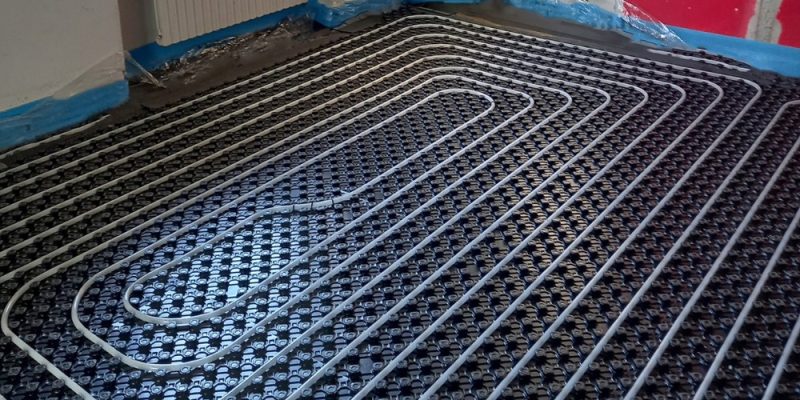
Creating a warm, energy-efficient home is a priority for many homeowners, especially during colder months. Radiant heating offers a modern solution that delivers consistent warmth while reducing energy waste. Unlike traditional forced-air systems, it heats surfaces directly, creating a more balanced and comfortable indoor environment.
When planning a radiant heating system installation, it’s important to understand how proper setup impacts long-term performance, efficiency, and overall comfort. A well-designed system not only lowers utility bills but also enhances indoor air quality by eliminating dust circulation common in duct-based systems.
Understanding How Radiant Heating Works
Radiant heating systems operate by transferring heat through floors, walls, or ceilings. The most common setup involves underfloor heating, where warm water or electric coils distribute heat evenly across the surface.
Types of Radiant Heating Systems
- Hydronic systems: Use heated water through tubing beneath the floor
- Electric systems: Use electric cables or mats for smaller spaces
- Air-heated systems: Less common, using heated air in floor ducts
Hydronic systems are typically more energy-efficient for larger homes, while electric systems work well for targeted areas like bathrooms or kitchens.
Planning Your Radiant Heat Setup
A successful installation begins with careful planning. Factors such as home size, insulation, and flooring type all influence performance.
Key Considerations Before Installation
- Flooring compatibility: Tile and concrete conduct heat best
- Insulation quality: Prevents heat loss and improves efficiency
- Room usage: High-traffic areas benefit most from radiant heating
- Climate conditions: Colder regions require higher output systems
Working with an experienced HVAC professional ensures accurate load calculations and system design tailored to your home.
Best Practices for Efficient Installation
Proper installation techniques can significantly impact the system’s lifespan and energy savings.
Ensure Proper Insulation
Insulation beneath the heating system is critical. Without it, heat can escape downward instead of rising into your living space. This reduces efficiency and increases operating costs.
Optimize Zoning
Dividing your home into heating zones allows you to control temperatures independently. For example, bedrooms can remain cooler while living areas stay warm, improving comfort and reducing energy consumption.
Use Smart Thermostats
Smart thermostats enhance control and efficiency by allowing you to schedule heating cycles. This ensures energy is used only when needed, aligning with modern HVAC maintenance strategies.
Benefits of Radiant Heating Systems
Radiant heating offers several advantages over traditional systems, making it a popular choice for homeowners focused on comfort and sustainability.
Key Benefits at a Glance
- Even heat distribution without cold spots
- Improved indoor air quality (no ducts or allergens)
- Reduced energy consumption and lower utility bills
- Quiet operation with minimal maintenance
- Compatibility with renewable energy sources
These benefits make radiant heating an excellent investment for long-term home comfort and efficiency.
Common Mistakes to Avoid
Even the best systems can underperform if common errors are overlooked during setup.
Skipping Heat Load Calculations
Incorrect sizing can lead to insufficient heating or unnecessary energy use. Always ensure proper calculations are completed before installation.
Poor Flooring Choices
Carpet and thick wood can reduce heat transfer. Choosing the right materials is essential for optimal performance.
Ignoring Maintenance Needs
Although radiant systems require less maintenance than traditional HVAC systems, periodic checks are still necessary to ensure consistent performance.
Integrating Radiant Heating with Modern HVAC Systems
Radiant heating works well alongside other energy-efficient solutions. Many homeowners combine it with heat pumps or solar systems to further reduce energy costs.
In larger homes, pairing radiant heating with central HVAC systems provides flexibility. Radiant heat can handle base-level warmth, while air systems manage cooling and ventilation.
Long-Term Cost Savings and Value
While the upfront cost of radiant heating may be higher than traditional systems, the long-term savings often outweigh the initial investment.
By improving energy efficiency and reducing reliance on forced-air systems, homeowners can see noticeable reductions in monthly energy bills. Additionally, radiant heating can increase property value due to its modern appeal and comfort benefits.
By the time homeowners consider upgrading or expanding their system, a second radiant heating system installation can further enhance efficiency, especially when integrated with smart home technology and energy-efficient upgrades.
Conclusion
Radiant heating offers a practical and efficient way to improve home comfort while reducing energy costs. With proper planning, quality installation, and smart system integration, it delivers consistent warmth and long-term value.
Whether you are building a new home or upgrading an existing one, investing in radiant heating can transform your living environment. Focus on insulation, zoning, and professional guidance to get the most out of your system and enjoy a comfortable, cost-effective home year-round.