By
By 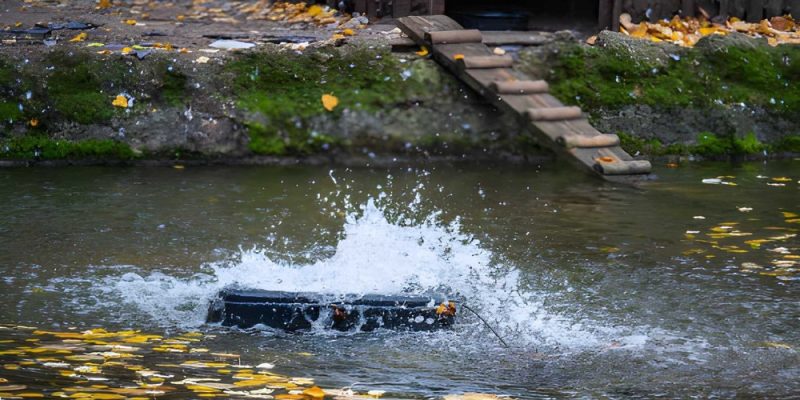
Ever walked past a pond that just smells wrong? That is a pond crying for help, honestly. I did not realise how crucial aeration was until I ignored it for a summer. Ended up with green soup and some very unhappy fish. Never again.
Power cuts happen. Storms roll in. That is when ponds are in trouble. That is why I prefer the airpump with battery backup available at That Pond Guy. Proper, reliable, and keeps bubbling when the grid is down. My friend survived three days without power. His fish were fine.
Oxygen Is Basically Everything
Sounds dramatic but true. Fish obviously need oxygen. But the good bacteria keep your pond clean. They need loads too. Without it, anaerobic bacteria take over. Lazy gits. Produce hydrogen sulphide. Methane. That rotten egg smell. Muck builds up. Admiral Lake put it well, oxygen powers fish and cleaning.
Stagnation Is the Enemy
Still water goes bad. Simple.
- Mosquitoes breed on still surfaces. Nobody wants that.
- Algae love still water. Turns your pond green in days.
- Debris sinks and just sits there. Rotting slowly.
- Smell gets worse and worse. Your garden stinks.
Aeration keeps everything moving. Constant circulation means no dead spots. No layered water where the bottom becomes toxic wasteland. Just one mixed, healthy pond.
The Stratification Problem
This one is interesting. In deep ponds, water layers separate by temperature. Warm on top. Cold at the bottom. The bottom layer gets no oxygen. Fish swim down looking for cooler water and literally suffocate.
Mixing prevents this. Brings oxygen to the bottom. Sends colder water up. Everyone is happy. Simple really.

What About Power Outages?
Right. This matters more than you would think.
Ponds are stuffed without aeration. After a few hours, oxygen plummets. After a day, the fish start dying. That is why backup matters.
The Ace Forums guys have proper experience here. Running fish rooms where storms constantly knock the power out. Their setup? Battery systems that kick in automatically. Lithium batteries. Inverters. Smart chargers keep everything topped up.
One bloke runs his pump for 18 hours on a 120Ah battery. Another rigged solar, so his aeration runs indefinitely. Clever stuff.
Key takeaways:
- Calculate your power draw. Don’t guess.
- Deep-cycle batteries are essential. Normal ones die fast.
- Automatic transfer switches exist, but cost more.
- Keeping pumps on inverter with battery constantly charging works, just check safety specs.
Types of Aeration
You have got options depending on the pond.
- Surface aeration – Fountains, paddle wheels. Good for shallow ponds. Looks pretty. Breaks up surface scum.
- Subsurface aeration – Diffusers on the bottom. Compressor on bank. Tiny bubbles rise. Mixes the whole water column. Better for deep ponds. Keeps the surface natural.
- Solar and windmill – Great for off-grid. Battery storage helps during nighttime or calm spells.
- Circulators – Move water horizontally. Good for irregular shapes. Work alongside aerators.
Bottom Line
Pond aeration is not optional. Not really. Keeps fish alive. Stops smells. Prevents algae and allows good bacteria to do their job.
And honestly? Get backup, battery, generator, or solar. Because power always fails at the worst moment. Always.